Are you considering laser hair removal but have concerns about how it might affect your darker skin tone? You’re not alone. For many years, darker skin was seen as a challenge when it came to laser hair removal, with many early technologies failing to provide safe and effective results. But things have changed. In 2025, laser hair removal for dark skin in Malaysia is not only safe but also highly effective, thanks to modern technology and experienced professionals.
In this guide, we’ll walk you through everything you need to know about laser hair removal for dark skin, why it requires special attention, and how to ensure you get the best possible results.
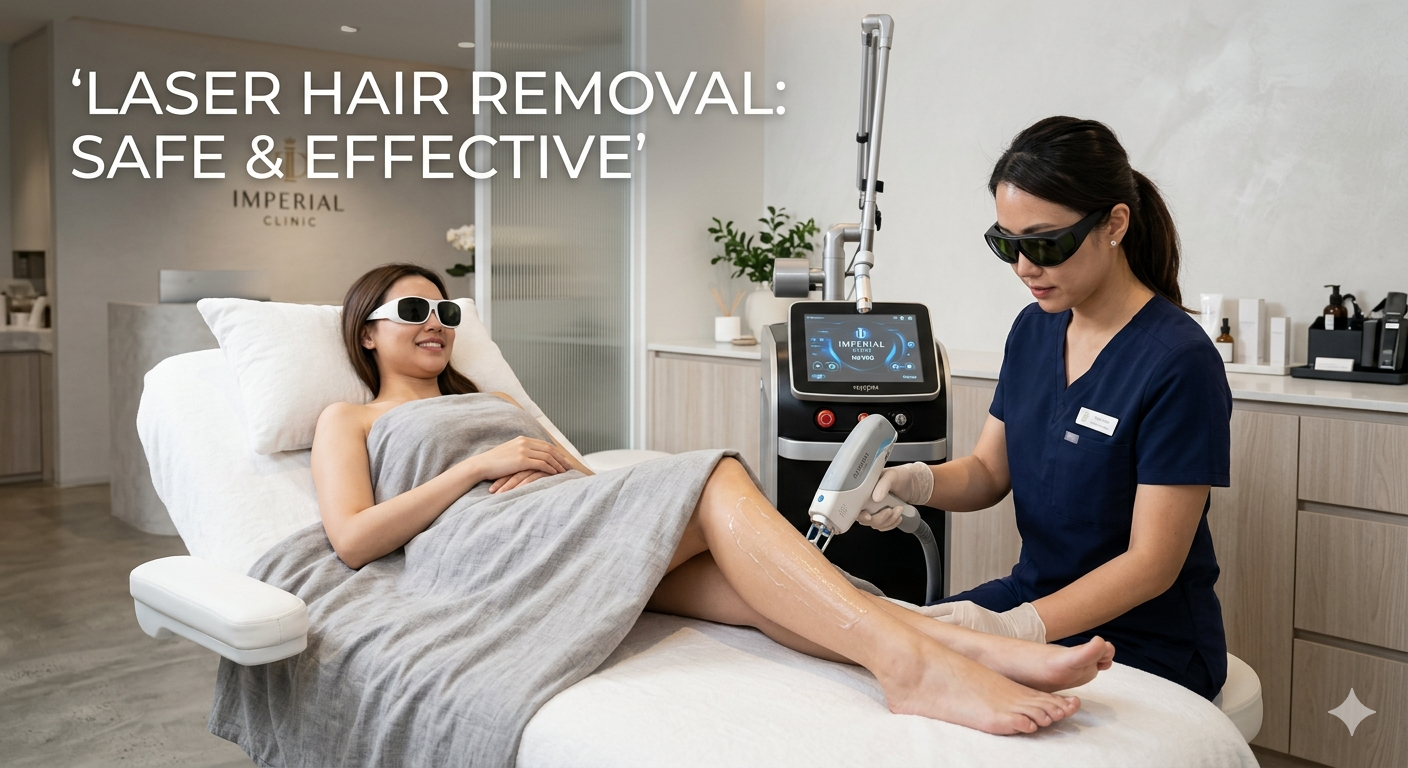
Why Dark Skin Requires Special Consideration
To fully understand why darker skin requires a bit more care during laser hair removal, let’s first talk about how laser treatments work. The laser uses light energy that’s absorbed by melanin (the pigment found in hair follicles). This energy is converted into heat, which destroys the hair follicle, preventing it from growing back.
However, the challenge for people with darker skin is that melanin exists not only in the hair follicle but also in the skin itself. Older laser technologies, such as Alexandrite (755 nm) and Diode (810 nm) lasers, targeted all melanin — both in the skin and hair. For people with darker skin, this overlap could result in burns, blistering, or post-inflammatory hyperpigmentation (PIH), which left many hesitant to try laser hair removal.
But, here’s the good news: technology has advanced, and now, with the right lasers, laser hair removal for dark skin in Malaysia is not only possible, it’s safe and highly effective.
The Fitzpatrick Scale: What Skin Type Are You?
Understanding your skin type is crucial when considering laser hair removal. Dermatologists use the Fitzpatrick Scale to categorize skin tones based on their reaction to sunlight. It ranges from Type I (very fair, always burns) to Type VI (deeply pigmented, never burns). In Malaysia, most individuals, whether Malay, Chinese, Indian, or mixed, typically fall between Types III and VI — making it essential to choose the right laser for your skin type.
Here’s a quick breakdown of the Fitzpatrick scale:
- Type III: Light to medium tan (common among Chinese, some Malays)
- Type IV: Moderate brown (common among Malays, mixed)
- Type V: Dark brown (common among Indians, darker Malays)
- Type VI: Very dark (common among South Indians, others)
Which Lasers Are Safe for Dark Skin in Malaysia?
Not all lasers are created equal, and this is where many people with darker skin make a mistake. Let’s take a look at the types of lasers that are safe for dark skin and why they work best.
- Nd:YAG Laser (1064 nm) — The Gold Standard
The Nd:YAG laser is the gold standard for people with Fitzpatrick Types V and VI (darker skin). This laser penetrates deeper into the skin without affecting the surface melanin, which reduces the risk of pigmentation issues like burns and dark spots. It’s FDA-cleared and has been proven to reduce hair by 80–90% with minimal side effects.
- Advanced Diode Laser (800–940 nm) — Safe for Types III to V
Certain advanced diode laser systems, with integrated cooling technology, are also safe for Types III to V. These lasers are designed to target hair follicles effectively while cooling the skin to minimize the risk of burns or pigmentation issues.
- Alexandrite Laser (755 nm) — Not Recommended for Dark Skin
The Alexandrite laser and IPL (Intense Pulsed Light) devices should be avoided, especially for deeper skin tones. These systems are less precise and can lead to significant skin damage, including burns and pigmentation changes.
Risks and How to Prevent Them
Like any cosmetic procedure, there are some risks involved with laser hair removal. However, if done correctly, these risks are minimal. Let’s take a look at the common risks and how to prevent them:
- Post-inflammatory Hyperpigmentation (PIH): Dark patches that appear after skin trauma. This is the most common complication if the wrong laser or settings are used.
- Burns or Blistering: Excessive heat can cause burns if the laser targets the skin’s surface melanin too aggressively.
- Hypopigmentation: Light patches caused by loss of pigment from over-treatment.
So, how can these risks be minimized? Simple: by using the right laser technology and settings. Modern clinics use longer wavelength lasers that bypass the surface melanin, delivering heat directly to the hair follicle while reducing the risk of skin damage. Additionally, they apply lower fluence (energy levels) and longer pulse durations to avoid over-heating the skin.
What to Look for in a Clinic in KL
Not every clinic in Malaysia is equipped to safely treat darker skin tones. Here’s what you need to look for before booking your session:
- Laser Technology: Always ask if the clinic uses an Nd:YAG or advanced diode laser. If they only offer Alexandrite or IPL, it’s time to walk away.
- Qualified Practitioners: The clinic should have LCP-certified doctors or highly trained laser technicians. Experience matters when treating dark skin.
- Patch Test: A reputable clinic will perform a patch test before your full treatment to ensure the laser is suitable for your skin type.
- Cooling Technology: Ensure that the clinic uses advanced cooling systems, as this will reduce discomfort and protect your skin.
- Personalized Consultation: Every patient should receive a personalized consultation and treatment plan tailored to their unique skin and hair type.
Pre- and Post-Treatment Care
Pre- and post-treatment care is critical for dark skin to avoid pigmentation issues. Here are the best practices:
- Before Your Session:
- Avoid sun exposure for at least 4 weeks.
- Don’t use self-tanners or bleaching creams.
- Shave the treatment area 24 hours before your appointment.
- Let your clinician know if you have any skin conditions or are on medication.
- After Your Session:
- Apply SPF 50+ sunscreen daily.
- Avoid sun exposure or tanning beds for at least one week.
- Stay away from hot showers, saunas, or heavy exercise for 24–48 hours.
- Moisturize your skin and avoid harsh skincare products.
How Many Sessions Will You Need?
Darker skin may require more sessions than lighter skin due to the more conservative energy settings used to protect the skin surface. Typically, up to 10 sessions may be needed for skin Types IV, V, and VI, while 4–6 sessions may suffice for lighter skin types. However, this doesn’t mean the treatment is any less effective — your clinician is simply taking the necessary precautions to ensure your safety.
Frequently Asked Questions
- Q: Is laser hair removal safe for Indian skin in Malaysia?
Yes, Indian skin usually falls between Types IV and VI, which are safe with an Nd:YAG laser and experienced professionals. - Q: Can Malay or mixed skin tones get laser hair removal?
Absolutely. Malay skin falls between Types III to V, which are safe for both advanced diode and Nd:YAG lasers. - Q: Will laser hair removal cause dark patches on my skin?
No, as long as the proper laser and settings are used. Proper pre- and post-care can minimize risks significantly. - Q: Is IPL the same as a laser for dark skin?
No, IPL is not a laser and is generally not recommended for darker skin tones. Always confirm the clinic uses a medical-grade laser.
The Bottom Line
Laser hair removal for dark skin in Malaysia is safe, effective, and growing in popularity. The key is choosing a clinic that uses the right technology, employs qualified professionals, and follows a personalized treatment plan designed for your skin type.
At Imperial Clinic KL, we specialize in treating a wide range of skin tones with advanced Nd:YAG and diode laser technology. Our team ensures every client receives a thorough consultation before beginning treatment.