Threadlift KL | PDO Thread Lift Treatment in Ampang | Imperial Clinic

Threadlift KL at Imperial Clinic Ampang. Non-surgical face lifting with PDO threads. Doctor-led treatment, natural results, minimal downtime. Book today.

Threadlift Treatment in Kuala Lumpur | Imperial Clinic

Your Face Hasn't Changed Dramatically. It's Just Started to Shift.

It’s not usually one big moment. It’s more like you’re looking at photos from a few years ago, and something about your face looked more… lifted. Or you catch yourself in a certain light and notice that your jawline isn’t quite as defined as it used to be. The skin along your cheeks feels like it’s sitting slightly lower. The corners of your mouth have a downward pull that wasn’t there before.

Nothing dramatic. Nothing that makes you look unrecognisable. Just a gradual shift that you’ve started noticing more and more.

This is what volume loss and collagen decline actually look like in real life. It’s not wrinkles appearing overnight. It’s the slow, incremental way that skin loses its scaffolding and starts to descend. And once you start seeing it, it’s hard to unsee.

The thing is, a lot of people at this stage aren’t looking for surgery. They’re not ready for a full facelift, they don’t want significant downtime, and they definitely don’t want to look like a different person. They just want things to sit where they used to sit. That’s it.

That’s exactly the problem threadlift KL was designed to solve.

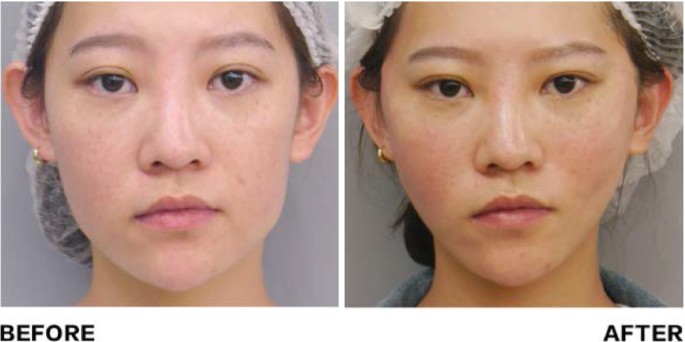
The result isn’t a pulled, tight, overdone look. When it’s done well by someone who understands facial anatomy properly, a thread lift just makes you look like a fresher, more rested version of yourself. People around you might notice something looks better without being able to put their finger on exactly what changed.

H2: So What Actually Is a Thread Lift?

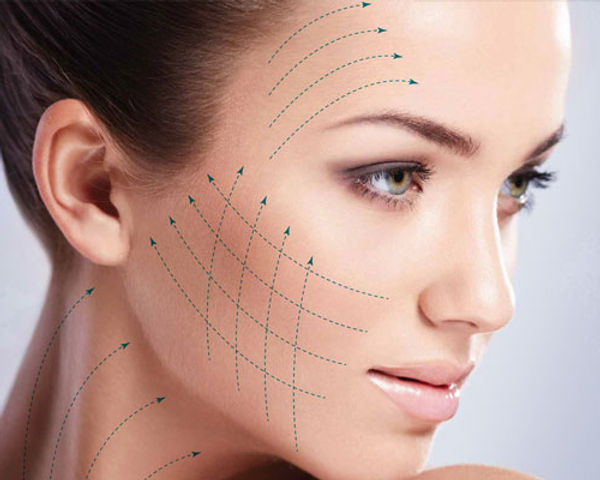
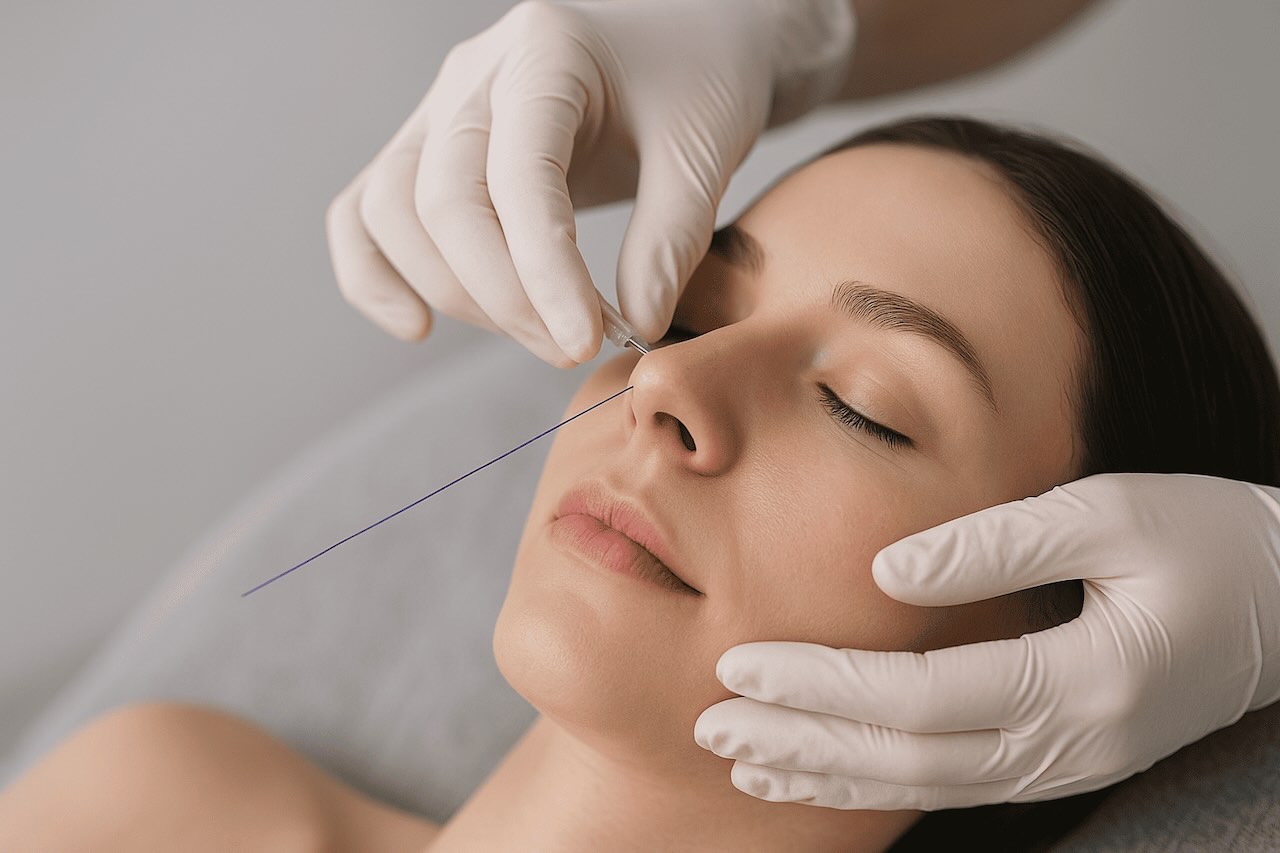
A thread lift is a non-surgical procedure that uses fine dissolvable threads, inserted under the skin, to physically lift and reposition tissue that has started to sag. At the same time those threads stimulate your skin to produce new collagen around them, which means the improvement continues even after the threads themselves have dissolved.

The threads used at Imperial Clinic are PDO threads, which stand for polydioxanone. It’s a material that’s been used safely in medical sutures for decades. Your body knows how to absorb it naturally over time, and as it does, the collagen it triggers stays behind.

PDO thread lift KL works on two levels at once. The immediate mechanical lift repositions tissue physically the moment the threads are placed. And then over the following weeks and months, the collagen stimulation builds on that initial result, so the skin continues to improve.


Who Is a Thread Lift Actually Right For?

This is worth being honest about because thread lifts aren’t the answer for everyone.

The people who tend to get the best results are those who have started to notice mild to moderate sagging but haven’t lost so much volume or elasticity that a surgical approach would be the only thing capable of making a meaningful difference.

If you’re in your mid-thirties to mid-fifties, noticing that things have shifted but your skin still has reasonable quality and thickness, you’re likely in the ideal window. The thread lift can produce results that genuinely address the concern without the commitment of surgery.

If sagging is more advanced, if the skin has significantly lost elasticity, or if there’s substantial volume loss involved, your doctor might be honest with you that a thread lift alone won’t give you what you’re looking for. That’s not a conversation we shy away from. 

We’d rather tell you that upfront than take your money for a procedure that isn’t going to deliver what you came in hoping for.

The specific concerns that thread lifts address well include a jawline that’s starting to blur, jowls that are beginning to form, cheeks that have dropped slightly, brow heaviness that makes the eye area look tired, and the nasolabial folds that deepen as the midface descends.

The specific concerns that thread lifts address well include a jawline that’s starting to blur, jowls that are beginning to form, cheeks that have dropped slightly, brow heaviness that makes the eye area look tired, and the nasolabial folds that deepen as the midface descends.

Who Is a Thread Lift Actually Right For?

This is worth being honest about because thread lifts aren’t the answer for everyone.

The people who tend to get the best results are those who have started to notice mild to moderate sagging but haven’t lost so much volume or elasticity that a surgical approach would be the only thing capable of making a meaningful difference.

If you’re in your mid-thirties to mid-fifties, noticing that things have shifted but your skin still has reasonable quality and thickness, you’re likely in the ideal window. The thread lift can produce results that genuinely address the concern without the commitment of surgery.

If sagging is more advanced, if the skin has significantly lost elasticity, or if there’s substantial volume loss involved, your doctor might be honest with you that a thread lift alone won’t give you what you’re looking for. That’s not a conversation we shy away from. We’d rather tell you that upfront than take your money for a procedure that isn’t going to deliver what you came in hoping for.


PDO Threads, What Makes Them the Right Choice?

PDO threads aren’t the only type of threads used in thread lift procedures but they’re the ones we use at Imperial Clinic and there are good reasons for that.

Polydioxanone has a long and well-documented safety record in medicine. Surgeons have been using PDO sutures in cardiac and other surgeries for decades. It’s a material the body handles well, absorbs predictably, and doesn’t cause inflammatory reactions in most people.

There are different types of PDO threads and they do different jobs. Smooth threads are used primarily for skin quality improvement, collagen stimulation in a targeted area, fine lines around the mouth for example. Twisted or coiled threads provide more collagen stimulation in a concentrated zone. Barbed threads are the ones that do the actual lifting because the tiny barbs along the thread grab tissue and hold it in a repositioned place.


A well-planned PDO thread lift KL uses the right combination of thread types for the right areas depending on what the individual face actually needs. It’s not the same treatment for every person. The anatomy, the degree of laxity, the specific areas of concern, all of that influences what threads go where and how many are used.

What Areas Can a Thread Lift Actually Treat?

More areas than most people realise when they first come in for a consultation.

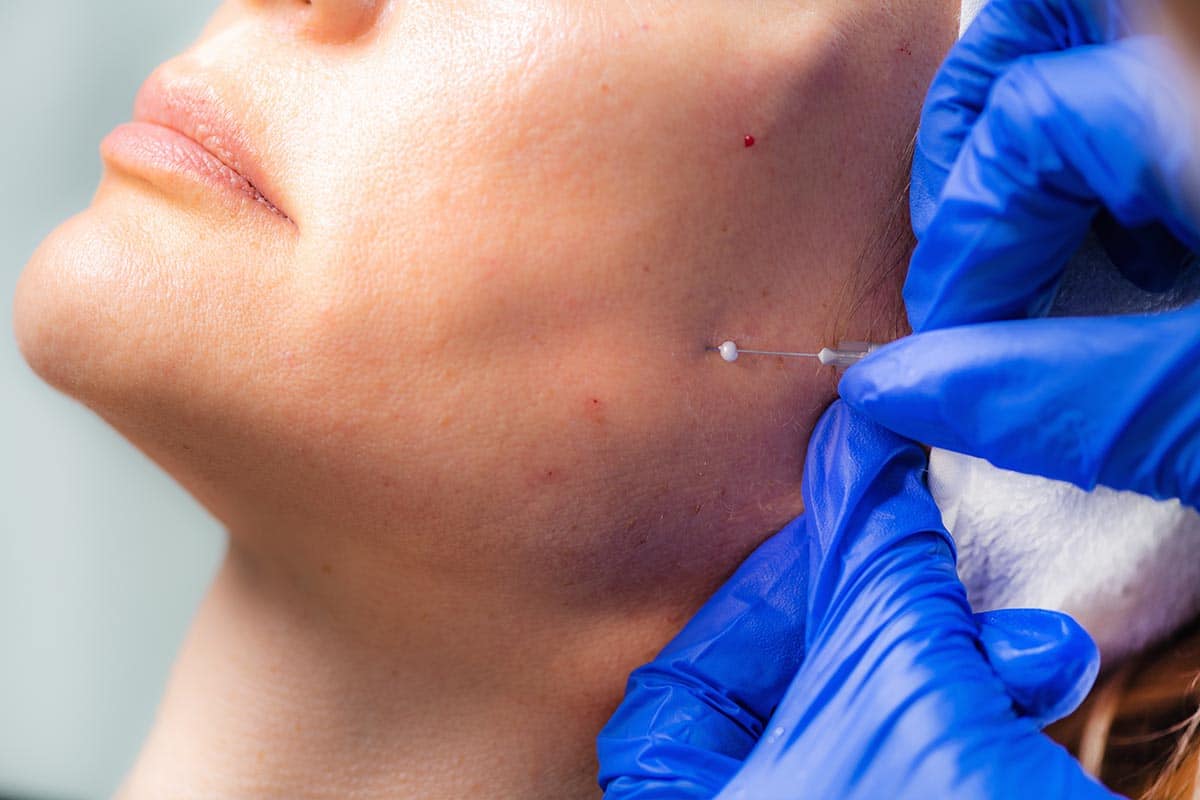
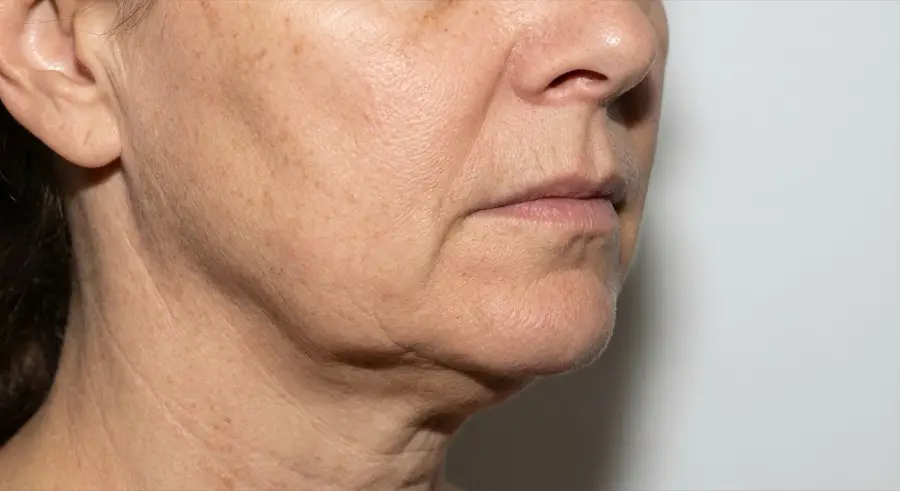
The jawline and jowls

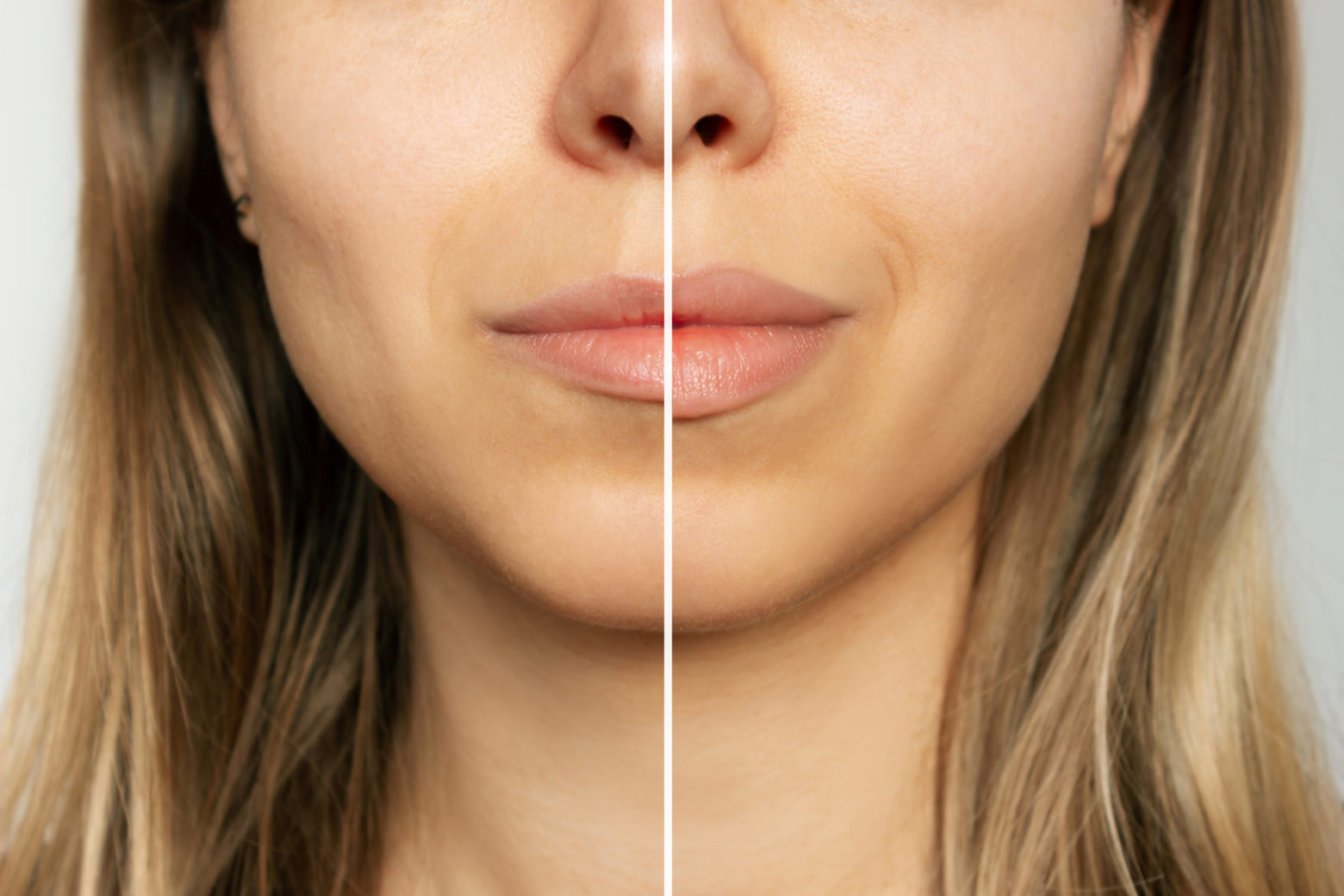
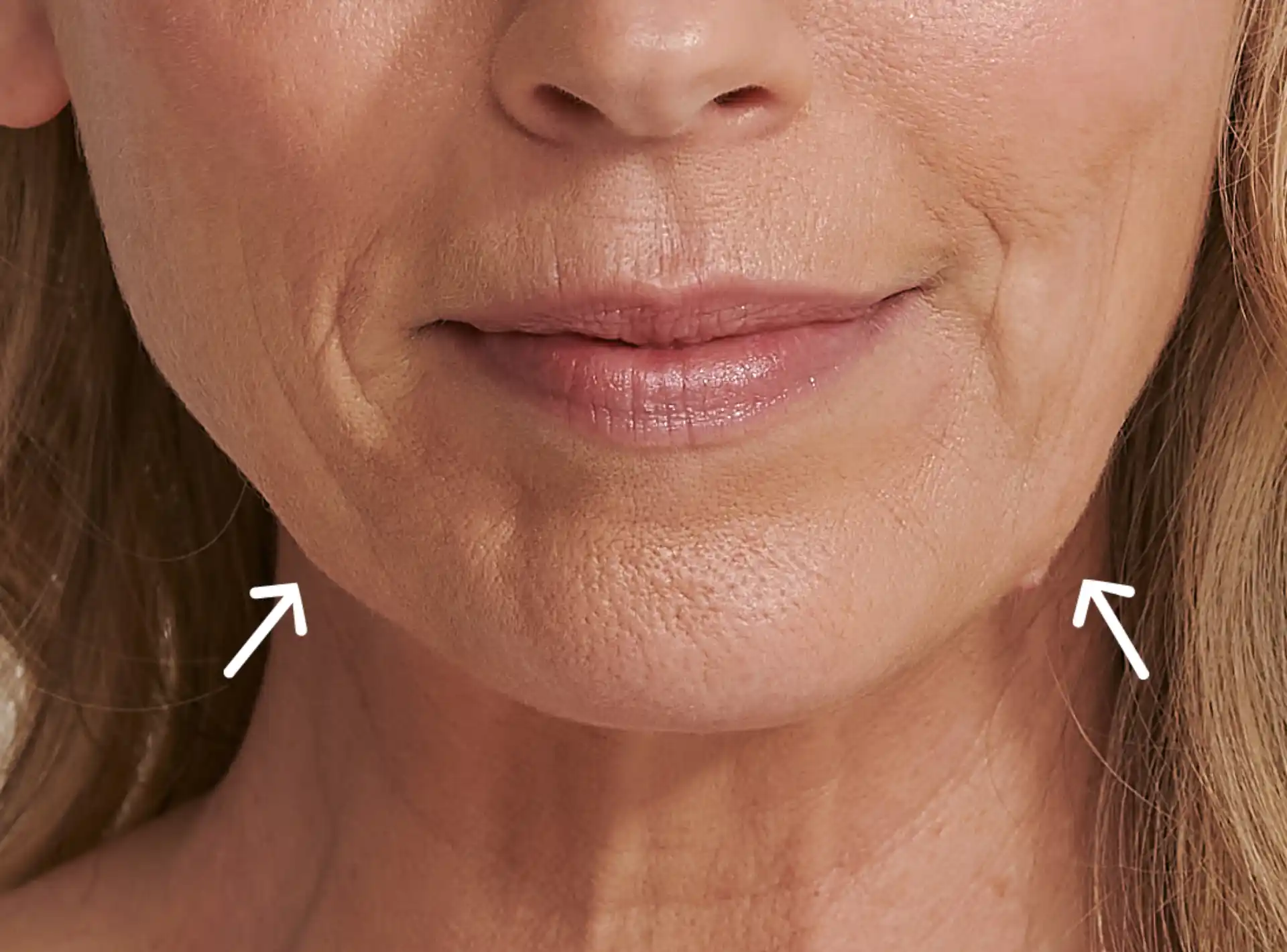
This is probably the most common reason people come to us for threadlift Ampang. As the midface descends, it creates fullness along the jaw that blurs the definition that used to be there. Threads lift the tissue back up and restore that cleaner jaw edge.
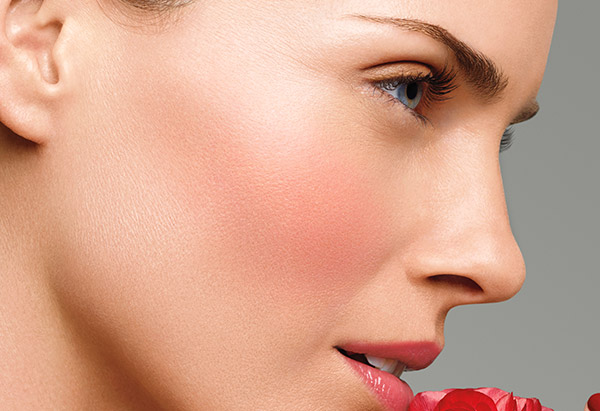
The cheeks and midface

When cheek volume migrates downward over time, it flattens the midface and deepens the lines from the nose to the mouth. Lifting the cheek tissue back into its natural position addresses both of those things simultaneously.
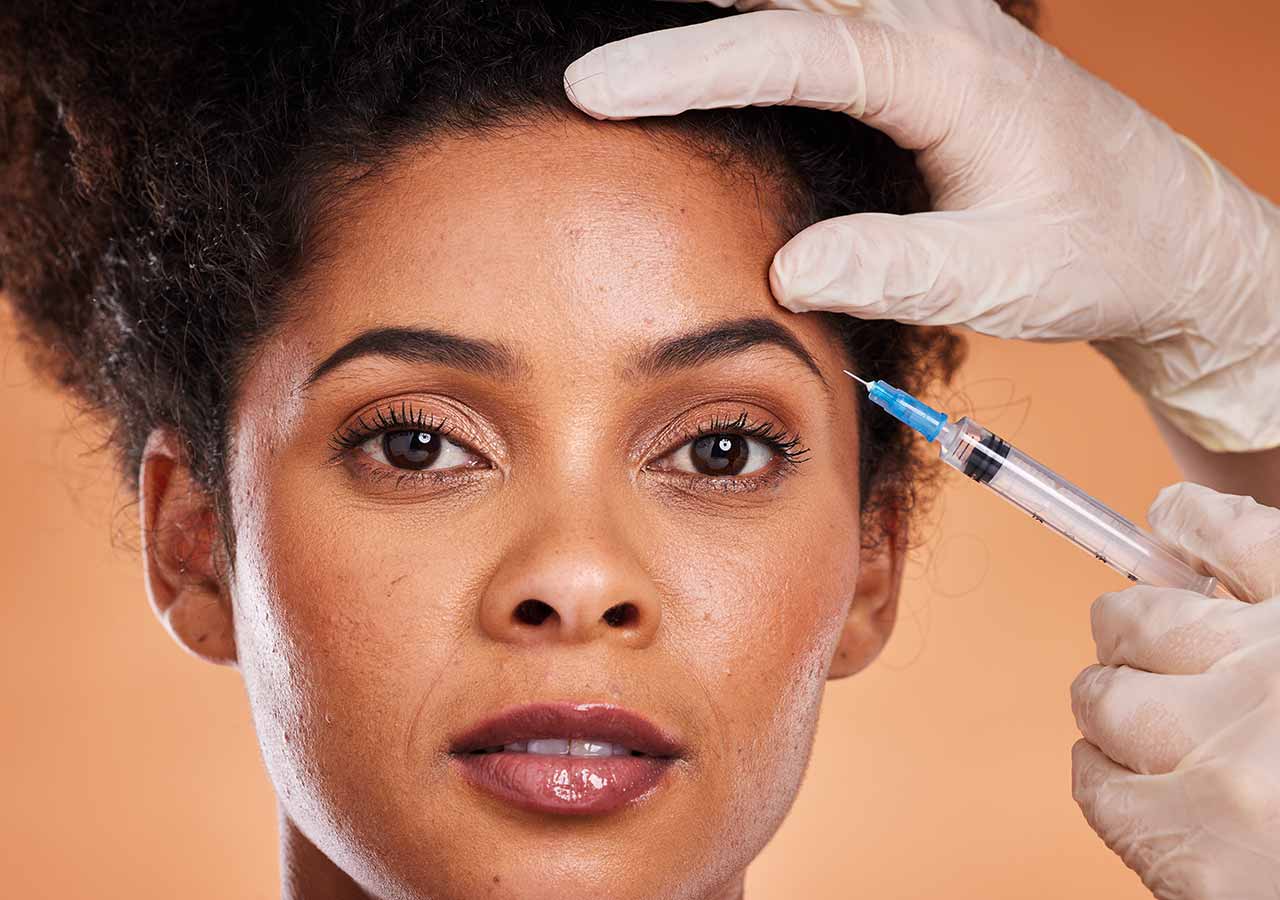
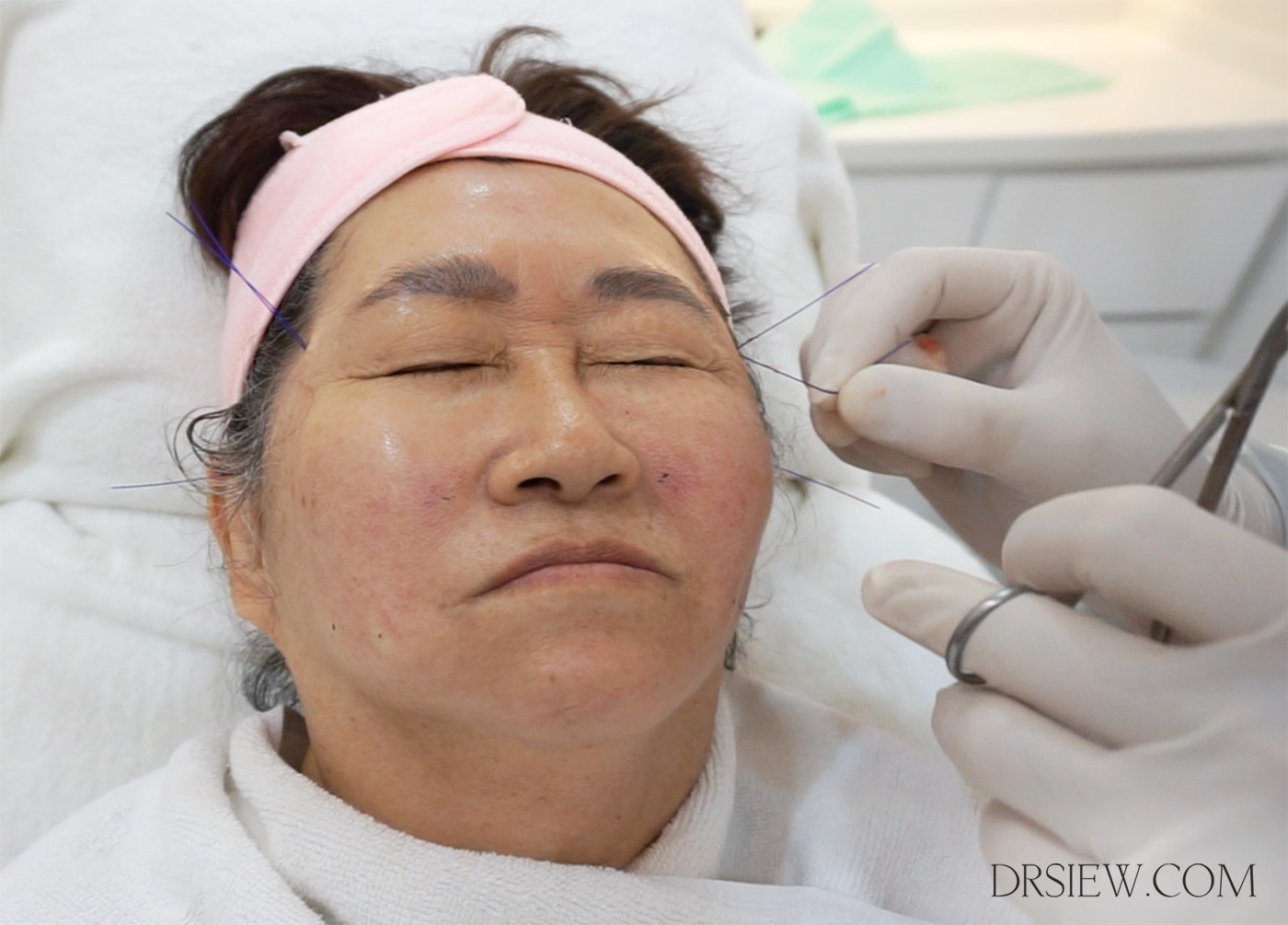
The brow area

A descending brow makes the whole eye area look heavy and tired. Thread lifting in the brow area can open the eye up and restore a more awake, refreshed appearance without touching the eyelids themselves.
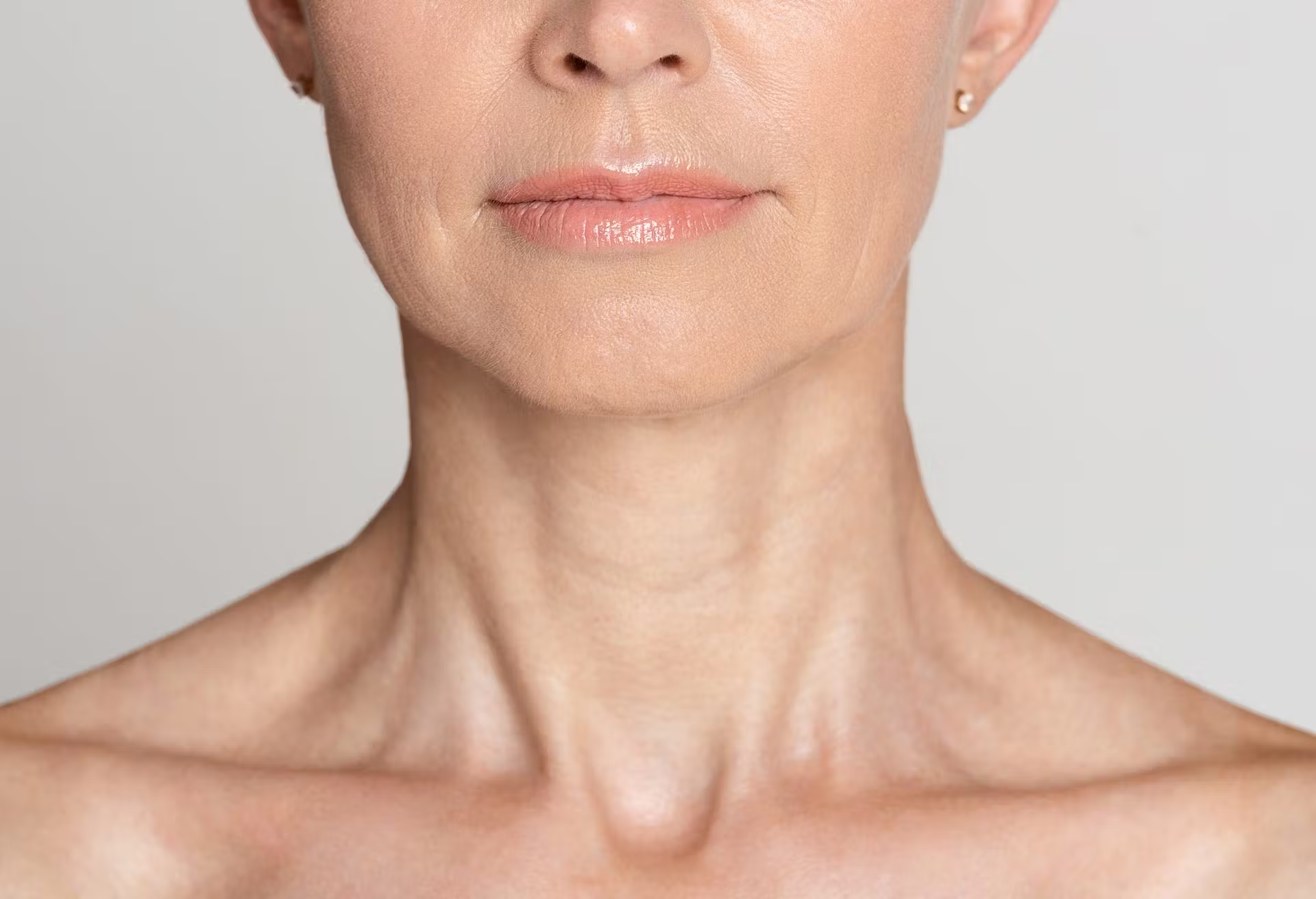
The neck

Early neck laxity, that slight loosening along the neck and under the chin that starts to appear before a double chin becomes prominent, responds well to thread lifting combined with other treatments.
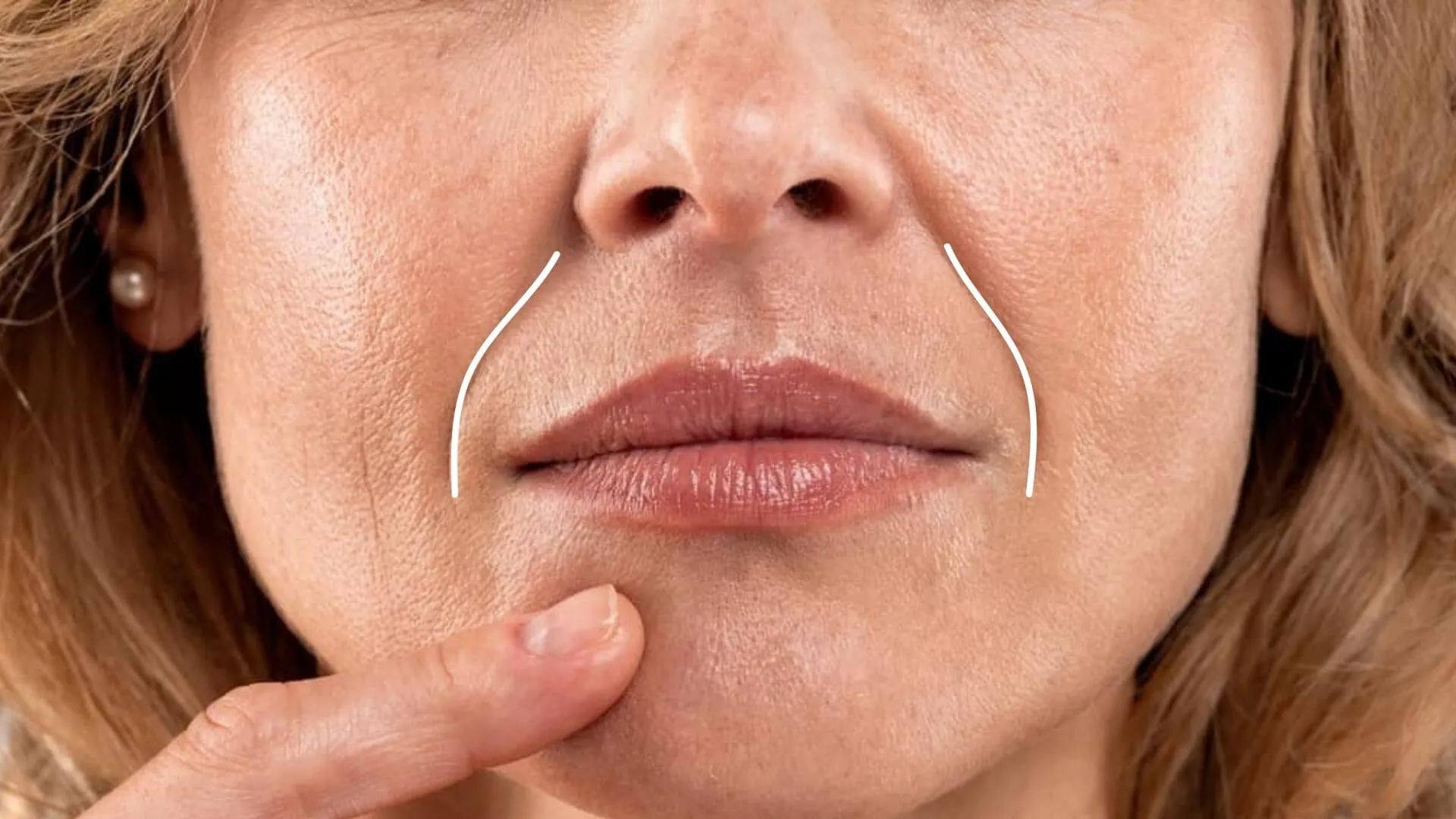
The nasolabial folds

When the midface lifts, the tissue that was dragging those folds deeper lifts with it. The folds don't disappear entirely but they become significantly less prominent.
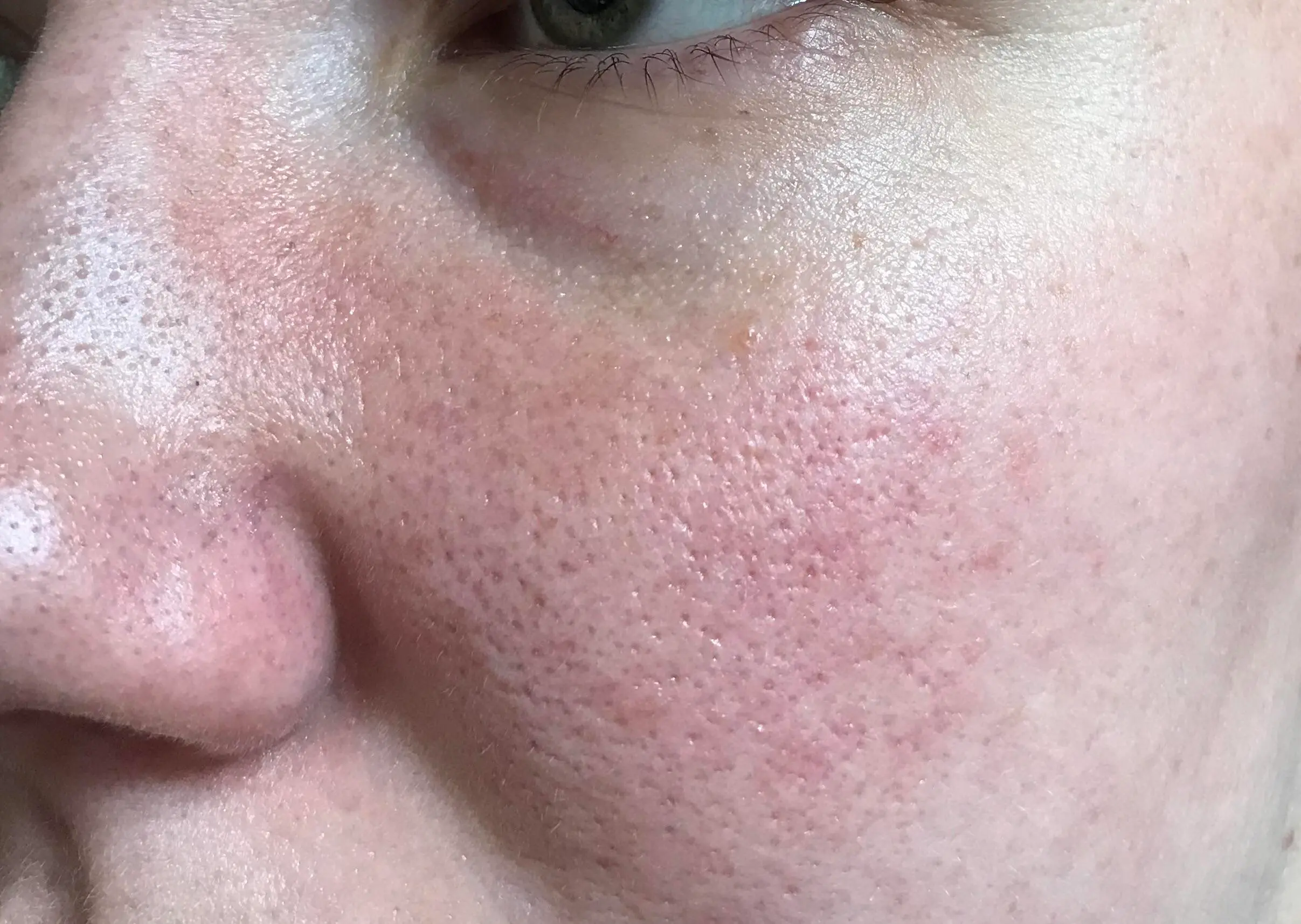
Around the mouth

Marionette lines and the downward pull at the corners of the mouth can be addressed with threads placed strategically in that area.
What Does the Procedure Actually Feel Like?

People build this up in their minds to be more intense than it actually is. Here’s a straightforward account of what happens.

The consultation comes first

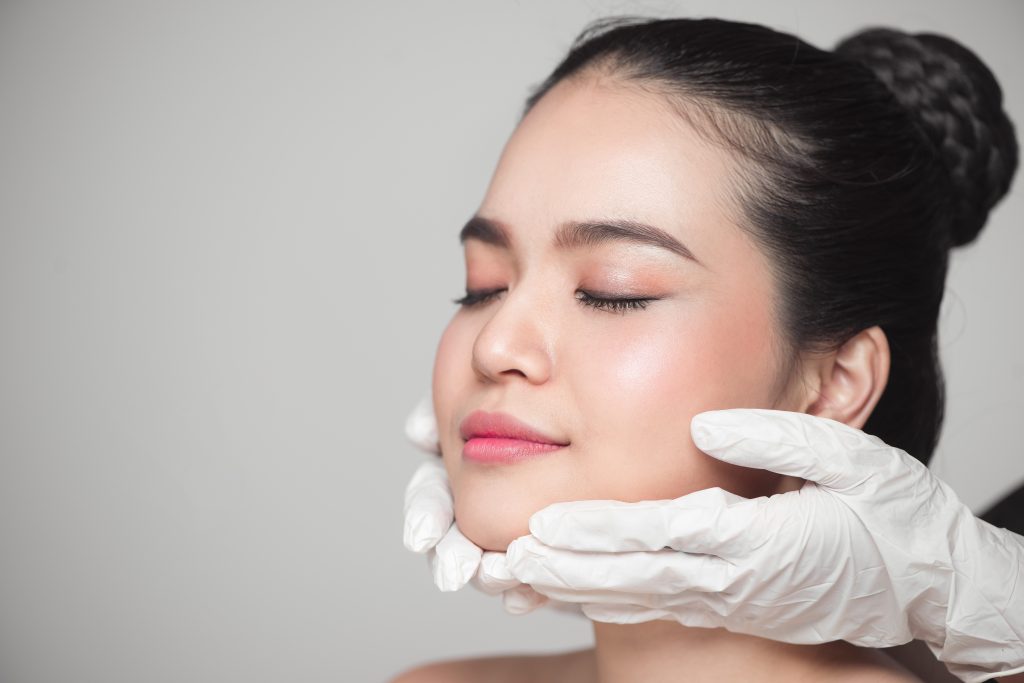
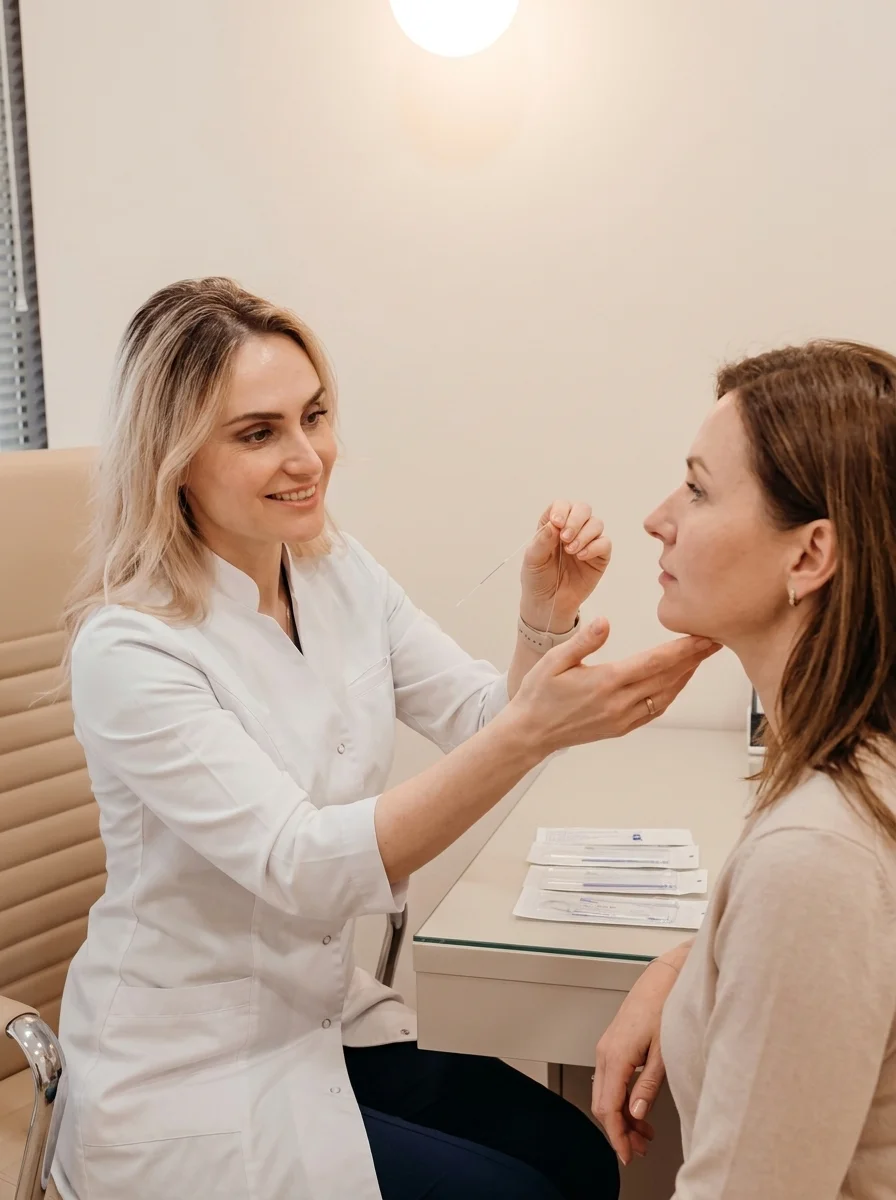
Your doctor looks at your face properly. They assess where the laxity is, what degree of lift is realistic, how many threads are needed and where, and whether a thread lift on its own or combined with something else will give you the best outcome. This conversation is genuinely important and it takes the time it needs to take.

Numbing

Topical numbing cream goes on first. Then local anaesthetic is injected into the entry points. The injections sting briefly, as they always do, and then the areas are numb.

Thread insertion

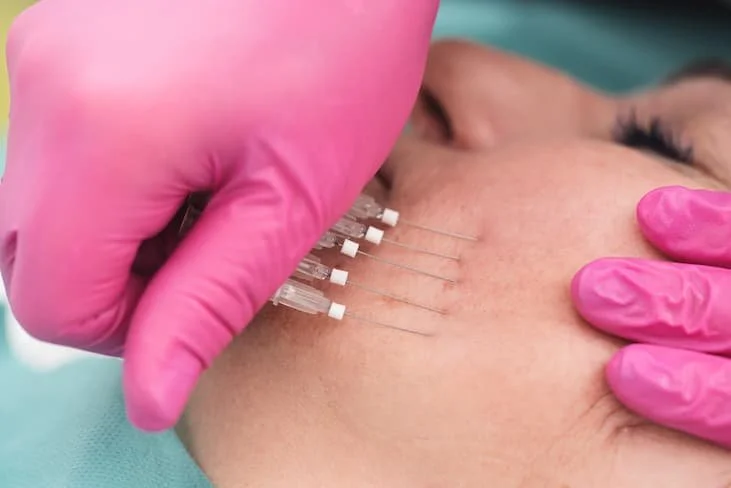
A very fine needle or cannula creates a small entry point and the threads are inserted under the skin and positioned. You'll feel pressure and some movement but not pain. Some people feel a slight tension as the threads are set into position. It's not a pleasant sensation exactly but it's manageable and it doesn't last long.

The whole thing takes about 45 to 60 minutes

Depending on how many threads are being placed and how many areas are being treated. Some people have a more targeted treatment, just the jawline for example, and that's quicker. A more comprehensive lift takes a bit longer.

Immediately after

There will be some swelling, possibly some bruising at the entry points, and the skin might feel a little tight or uneven initially. This is all completely normal and it settles. Your doctor will go through exactly what to expect and what to avoid before you leave.

Your treatment journey

Threadlift Pricing in KL

Thread lift, single area such as the jawline

Thread lift, mid-face, and jawline

Comprehensive thread lift, full face

Combination with fillers or other treatments

These are starting prices. The final cost depends on how many threads are needed, how many areas are being treated, and whether other treatments are being combined. We go through exact pricing after the consultation once we understand what your face actually needs.

Why Choose Imperial Clinic KL for Pico Laser?

  • LCP-certified doctors with experience in aesthetic medicine
  • Located at Jalan Ampang, 5 minutes from KLCC
  • State-of-the-art equipment and premium medical-grade products
  • Personalised treatment plans, no one-size-fits-all approach
  • Trusted by KL expats, professionals, and local patients

Frequently Asked Questions

For most people, between one and two years. Skin quality, age, number of threads used, and lifestyle all play a role. Maintenance treatments every one to two years help sustain the result.

 The local anaesthetic injections sting briefly. Once the area is numb the thread insertion itself is pressure and movement rather than pain. Most people find it very manageable

 Most people are comfortable going back within two to three days. If your work involves heavy physical activity or a lot of face-to-face client interaction and you'd prefer the initial swelling to settle first, give it four to five days.

Not if it's done well. The goal of a thread lift is to make you look like a fresher version of yourself, not to make you look like you've had a procedure. Most patients report that people around them notice they look better without being able to identify why.

 Yes and often the combination gives better results than either treatment alone. Threads lift and tighten, fillers restore volume, skin boosters improve overall skin quality. Your doctor will recommend what combination makes sense based on your specific concerns.

 It's not uncommon to feel the threads initially, especially when touching the face. This usually resolves within a few weeks as everything settles. If you feel something that's persistently uncomfortable or visible, come back in and let us take a look.

People who are pregnant, have certain autoimmune conditions, have active skin infections in the treatment area, or have very thin skin with poor elasticity may not be good candidates. Your doctor will assess all of this during the consultation.

 The threads dissolve naturally over about six months. The collagen they stimulated stays behind, which is why results outlast the threads themselves. Once the full effect has faded, a repeat treatment can restore it.

If You've Been Watching Things Shift and Wondering When to Do Something About It


There’s a window for thread lifts that works really well, and it’s earlier than most people think. The people who get the best results are the ones who come in when things have started to change rather than waiting until the change is significant enough that a thread lift alone can only do so much.
If you’ve been noticing that your jawline looks less defined than it used to, that your cheeks sit slightly lower, that you look tired in photos even when you’re not, come in for a consultation. We’ll look at your face properly, tell you honestly what we think a thread lift can realistically achieve for you, and what it’s going to cost.
No pressure, no hard sell. Just a real conversation about your face and what’s actually going to help.

Book your consultation

Book Your Threadlift Consultation in KL Today

If you have been thinking about improving your skin but are unsure where to start, this is a good first step.
Our team will guide you based on what your skin actually needs.